The Rainmaker
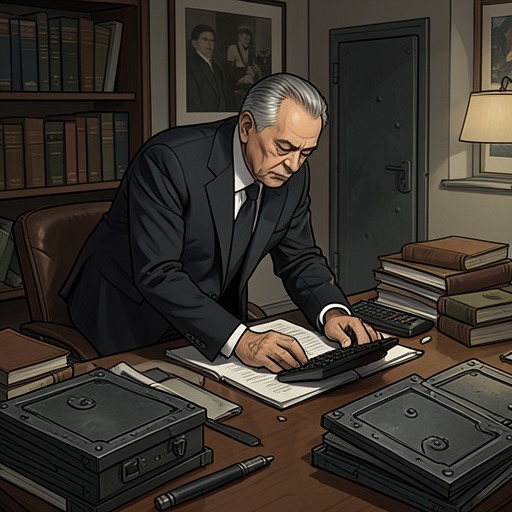
The RainmakerThe Rainmaker is both the novel’s title and its governing metaphor for Rudy Baylor’s uncertain transformation into a lawyer capable of bringing help to people who have little power against insurers. The image first attaches to professional ambition: Rudy imagines arriving at a new job with a wealthy client and becoming a “rainmaker,” a lawyer whose ability to bring in business makes him valuable. As the story turns toward insurance claims and the Black family’s struggle, the title takes on a harsher dimension. Making rain is not simply winning a case or attracting money; it means trying to produce relief where vulnerable people have been left to endure a system designed to resist them.
Ambition and the name
Rudy’s earliest resolve to become a lawyer is bound up with his father’s hatred of the profession. His father, an industrial engineer who worked on ladders, was repeatedly called to give depositions and testimony when the company faced lawsuits. The legal encounters exhausted him; after one three-week trial ended in a large verdict against the company, Rudy’s mother arranged for him to spend a month in hospital. Rudy grew to admire the lawyers who made his father’s life miserable. The profession’s power first appears to him not as public service but as an instrument that can make an opponent suffer.
That inheritance gives the title’s professional meaning an edge. Rudy wants the standing and security that legal success might provide, but his own route into practice is precarious. Before he passes the bar, he is hired as a paralegal, and the Black family’s case is a source of both responsibility and opportunity. At the same time, he imagines a different client as his opening to prominence: Miss Birdie, whose will reveals charitable bequests worth millions and an estimated net worth of at least twenty million dollars. He pictures bringing her to Brodnax and Speer and becoming an instant rainmaker, even imagining that the achievement might earn him a larger office.
A client, a case, and a harder purpose
Rudy’s calculation about Miss Birdie exposes the title’s worldly promise, but the scene also complicates it. Her former lawyer is dead, she has no current counsel, and she wants to cut her children and some grandchildren out of her will. She resists discussing taxes and insists that she does not care about saving money for heirs she intends to disinherit. Rudy recognizes the size of her estate and imagines the professional advantage of representing her, while also suggesting that she consult a tax lawyer. Here, rainmaking means attracting a valuable client; the possibility of helping someone with a consequential legal problem sits beside the lure of advancement.
The Black family’s case moves the metaphor away from Rudy’s imagined career triumph and toward the people who need help. As he studies the materials, he is struck by how insurance companies can take advantage of policyholders who are unfamiliar with legal language and afraid to sue. One study estimates that fewer than five percent of bad-faith denials ever come to a lawyer. The contrast is stark: a legal remedy may exist on paper, yet many people never reach the point of using it. For them, the absence of a lawyer is part of the force that keeps the denial in place.
The Black family’s circumstances make that distance concrete. Donny Ray, seriously ill and told that much of his body is affected, asks Rudy to use whatever the case yields to take care of his family. His mother signs the legal-services contract, and Rudy takes on a claim whose stakes cannot be reduced to the value of a potential fee. The case gives the title’s hopeful image a human measure: the lawyer’s work matters because a family facing illness and financial hardship has asked someone to act on its behalf.
The verdict and its reversal
The jury’s decision appears to deliver the rainmaker’s most dramatic result. It finds for the plaintiff and awards the Black family two hundred thousand dollars in actual damages and fifty million dollars in punitive damages. Rudy writes the amounts down, struggles to maintain his composure, and remembers Donny Ray in a folding chair at a softball game, eating popcorn and smiling simply because he was there. The award is a legal victory, but Rudy’s recollection makes clear what it cannot restore. Donny Ray has died; no verdict can undo that loss.
The apparent financial triumph is then undermined. Great Benefit files for bankruptcy protection in federal court in Cleveland. Rudy and his partner Deck Shifflet, who had seemed to be on the verge of a fortune, realize that they may instead be near insolvency. The company’s parent, PinnConn, has suffered losses in foreign-currency trading and siphoned cash from subsidiaries, including Great Benefit. The money that might have made the verdict meaningful to the Black family is no longer securely available. The award demonstrates that a jury can condemn an insurer’s conduct; the bankruptcy shows that condemnation and compensation are not the same thing.
What the metaphor promises
Across these turns, the title holds together two kinds of rainmaking. One is professional: Rudy hopes to attract clients, gain status, and build a career. The other is ethical and material: a lawyer tries to make legal protection real for people who otherwise face an insurer alone. The novel places those meanings in tension rather than allowing one to erase the other. Rudy’s hope of success is genuine, but the Black family’s need is not a vehicle for uncomplicated enrichment, and the enormous verdict does not guarantee that justice will arrive in usable form.
The title therefore carries both possibility and irony. Rudy does help bring the Black family’s grievance before a jury, and the jury answers with a judgment that recognizes the scale of the wrongdoing. Yet the insurer’s collapse threatens the practical value of that answer. The metaphor does not promise that effort will summon an abundant, lasting reward. It marks the work of trying to create relief under conditions that can frustrate even a major victory: the lawyer may help make justice visible, while remaining unable to ensure that the people who need it receive the money the law has awarded.